
Welcome to a series that I’ve been waiting to do since I started this blog—where I talk about the Wu-Tang solo projects. All mainstream hip-hop media talks about is 36 Chambers, which is still a revolutionary album, but we can do better. Every one of the Wu projects from ‘93-’97 are absolute classics, and it sucks that they don’t get talked about as much as they should.
So, with an underrated album like Tical turning 30, I had to talk about it (note: as I write this, Meth still hasn’t posted anything about it on Instagram). I don’t know what more you could have gotten from a Johnny Blaze record. Classic RZA production, great features from Raekwon and Inspectah Deck, catchy hooks, and witty rhymes. But, there is one big reason why people don’t respect it as much as 36 Chambers, or even the other Wu solo albums.
Around late 1993-early ‘94, RZA’s basement flooded. This is the same basement that had the floppy discs for 36 Chambers and the beats for the other solo albums. Sadly, only part of these discs could be recovered, meaning some of the beats had to be re-made, Mef had to re-record his vocals, and Inspectah Deck’s solo album was completely scrapped. And, the new finished product this time wasn’t nearly as good as the original.
But, there was still a massive hit from the album, “Bring the Pain”, which peaked at number 45 on the Billboard Hot 100. The album mostly coasted off of the success from that track, but when it was time to release a single for the summer of ‘95, the label was in a tight situation: the album didn’t have a lot of single potential besides “Bring the Pain” and “Release Yo’ Delf” (which were the first two singles). So, RZA got creative.
The album version of “All I Need” is very grimy, with a dark synth line that interpolates Marvin Gaye’s “You’re All I Need to Get By” (keep that song in mind for later) and 36 Chambers-type drums. Not really single material.
Then, RZA re-worked the song, and made the “Razor Sharp Mix”. The mix is really different, with lighter drums, a scream that is similar to Public Enemy’s “Rebel Without a Pause”, futuristic computer sounds, and some horns. But, the biggest addition by far is the inclusion of R&B singer Mary J. Blige, who sings the hook to the aforementioned Marvin song. You can tell this was trying to appeal to the clubs, and not really the radio station. But, it did get some radio play, and a music video.
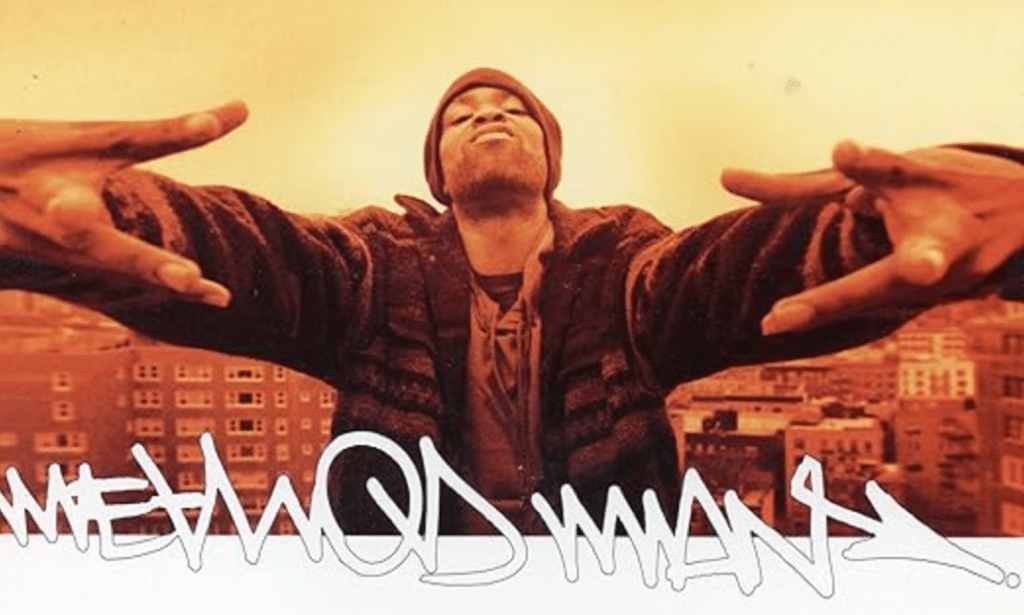
After some moderate success, the song fell to Puff Daddy of Bad Boy Records. Puffy was the king of remixes at the time, making classics for Jodeci, Total, Super Cat, Craig Mack, the aforementioned Mary J. Blige and, of course, The Notorious B.I.G. So, giving the song to him was an absolute no-brainer. And, Puff knocked it out of the park! Instead of making the tone of the song dark and rowdy, Puff made the beat vibrant and laid-back. A big part of the laid-back feel is Mary J., who fits this feel like a glove with chill classics like the “Love No Limit” remix and “All Night Long”. But, the best addition is after the second chorus. Puffy gets Mary to sing the opening lines to the Marvin track for the bridge, and harmonize with the track when Method kicks off his second verse. This version of the song debuted and peaked at number 3 on the Billboard Hot 100, making it Mef’s biggest hit. And, we all can see why. This was DESIGNED for the radio. The obvious sample with the chill drums, and Mary J’s vocals makes it a great fit in with 90s classics like “I Will Always Love You”, “You Used to Love Me”, and “Can We Talk”. Just look at how Meth reacted to it in the new Wu-Tang biopic. This song kicked off a huge 1995 for Meth, as he scored three more hits (“How High” with Redman, “Ice Cream” with Ghostface, Raekwon and Cappadonna, & “Shadowboxin’” with the GZA).
So, that’s the story of “All I Need”, from a random deep cut to a radio mainstay. If you want more articles about Wu-Tang or how remixes came to be, holla in the comments.
 The Music In My Mind
Leave a comment